How can we better cultivate healthy eating behaviour in our children?
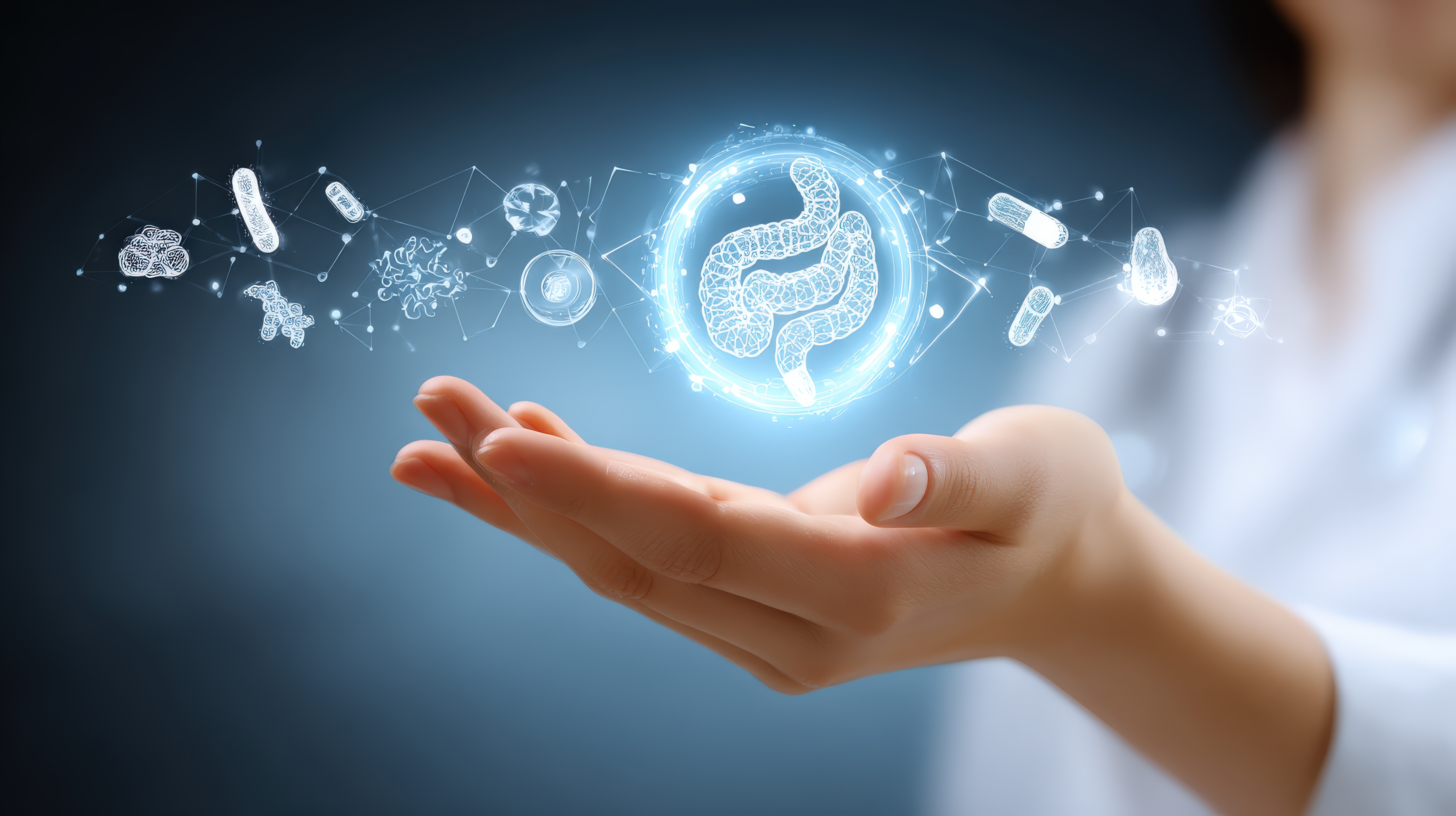
Unhealthy eating patterns, characterized by excessive consumption of highly palatable (high-sugar and high-fat) processed foods, are alarmingly prevalent among children globally. A poor early-life diet profoundly impacts on the metabolic programming and infant brain development, heightening the risk of obesity later in life, and associated cognitive impairment, including attention, executive function, and decision making.
STUDY AIM
Nourishmind research proposal will deliver novel mechanistic insights on the effects of early-life high-fat-high-sugar consumption on hedonic and motivated eating behaviour, as well as how high-fat-high-sugar impacts spatial recognition memory in developing mice. Moreover, the project will identify the promising potential of microbiome-targeted approaches to help our children make healthier food choices for life.
SCIENTIFIC APPROACH
Nourishmind is designed as a preclinical animal study, as a critical intermediate step before translation to human studies investigating early life pre- and probiotic supplementation on the establishment of healthy eating behaviour in children.
EXPECTED OUTCOMES
A recent WHO/Europe European Childhood Obesity Surveillance Initiative (COSI) has highlighted the urgent need for promoting healthy eating habits among children. The NourishMind research proposal will identify mechanisms underlying diet-mediated metabolic imprinting and neuronal development of eating behaviour.
Addressing the neuro-cognitive effects of diet and nutrition on the establishment of healthy eating in children is imperative for promoting lifelong health and well-being. Furthermore, NourishMind will identify novel microbiota targeted approaches to prime for healthy eating behaviour from early life to adulthood.
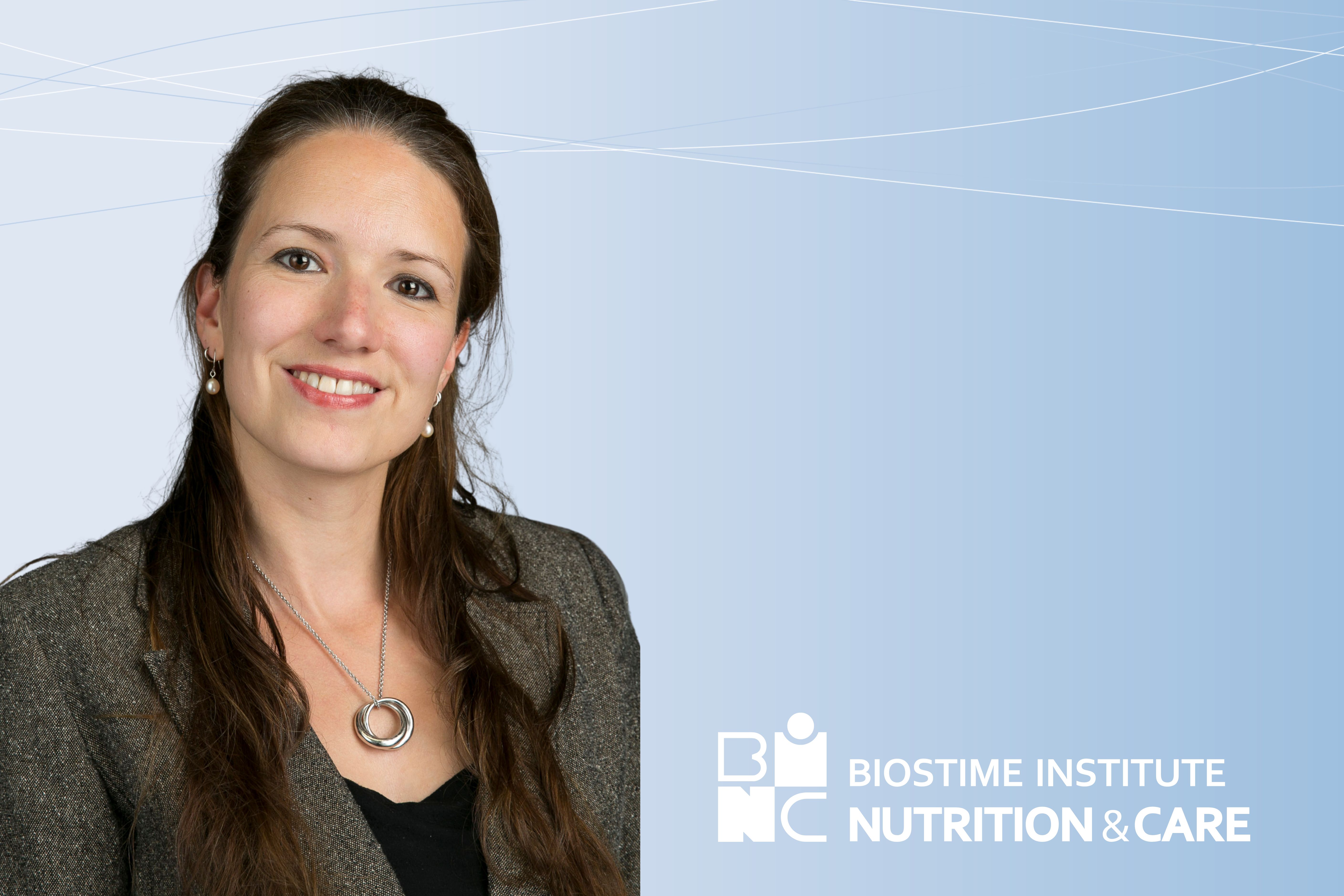
About Dr. Harriët Schellekens
Dr. Harriët Schellekens is a Senior Lecturer in the department of Anatomy & Neuroscience and a funded investigator with APC Microbiome Ireland
To date, Dr. Schellekens research interests have been focused on the neuronal circuitry underlying the complex relationship between stress, mood and food intake. In addition, Dr. Schellekens has established and runs a world-class cellular-based screening platform for the identification of novel bioactives that modulate appetite and satiety, mood and cognition.
Dr. Schellekens has an h-index of 31 (google scholar) and has published over 67 peer-reviewed publications with >5570 citations and 6 book chapters, including Nutrition and Metabolism (The Nutrition Society Textbook).