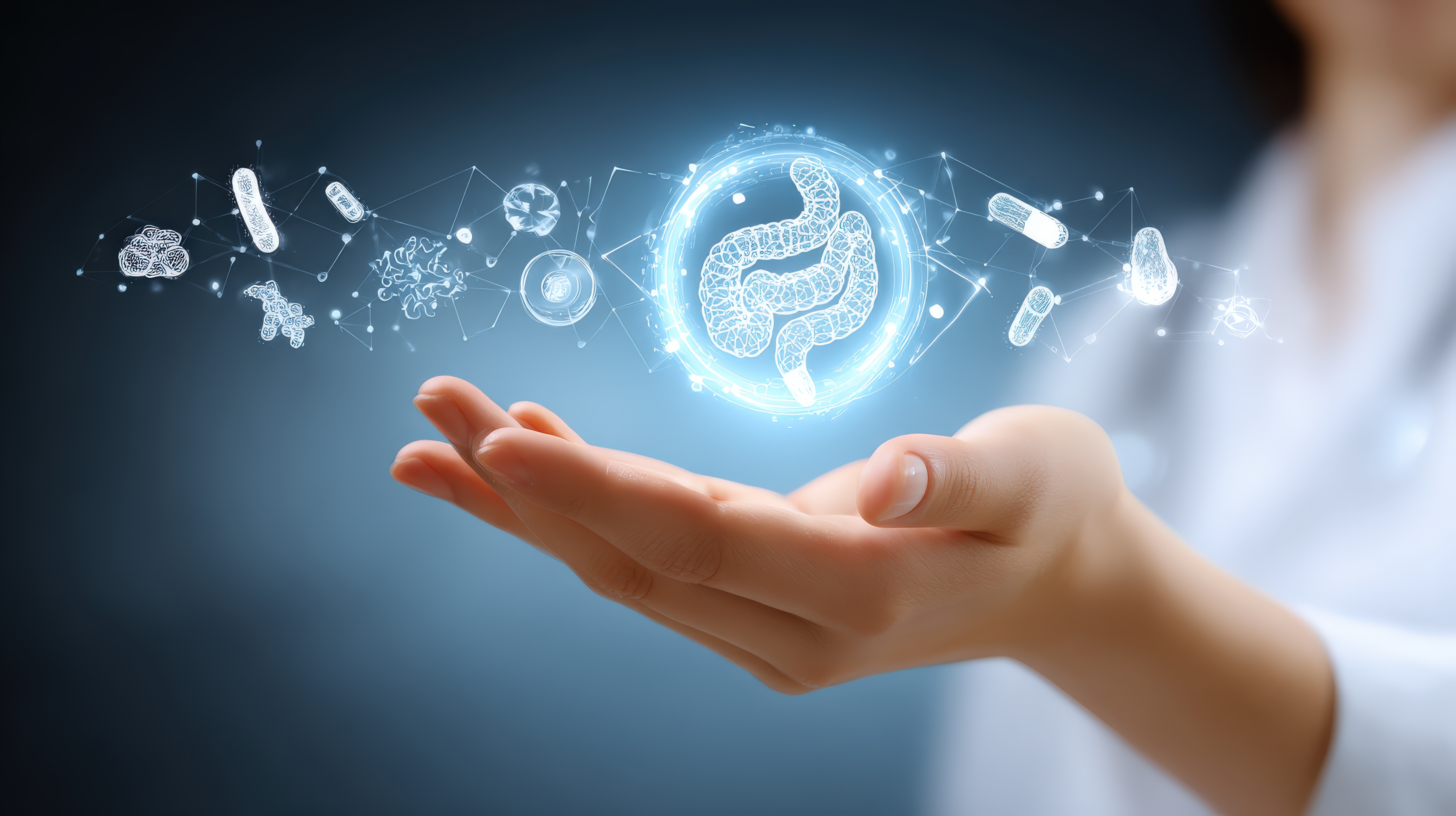
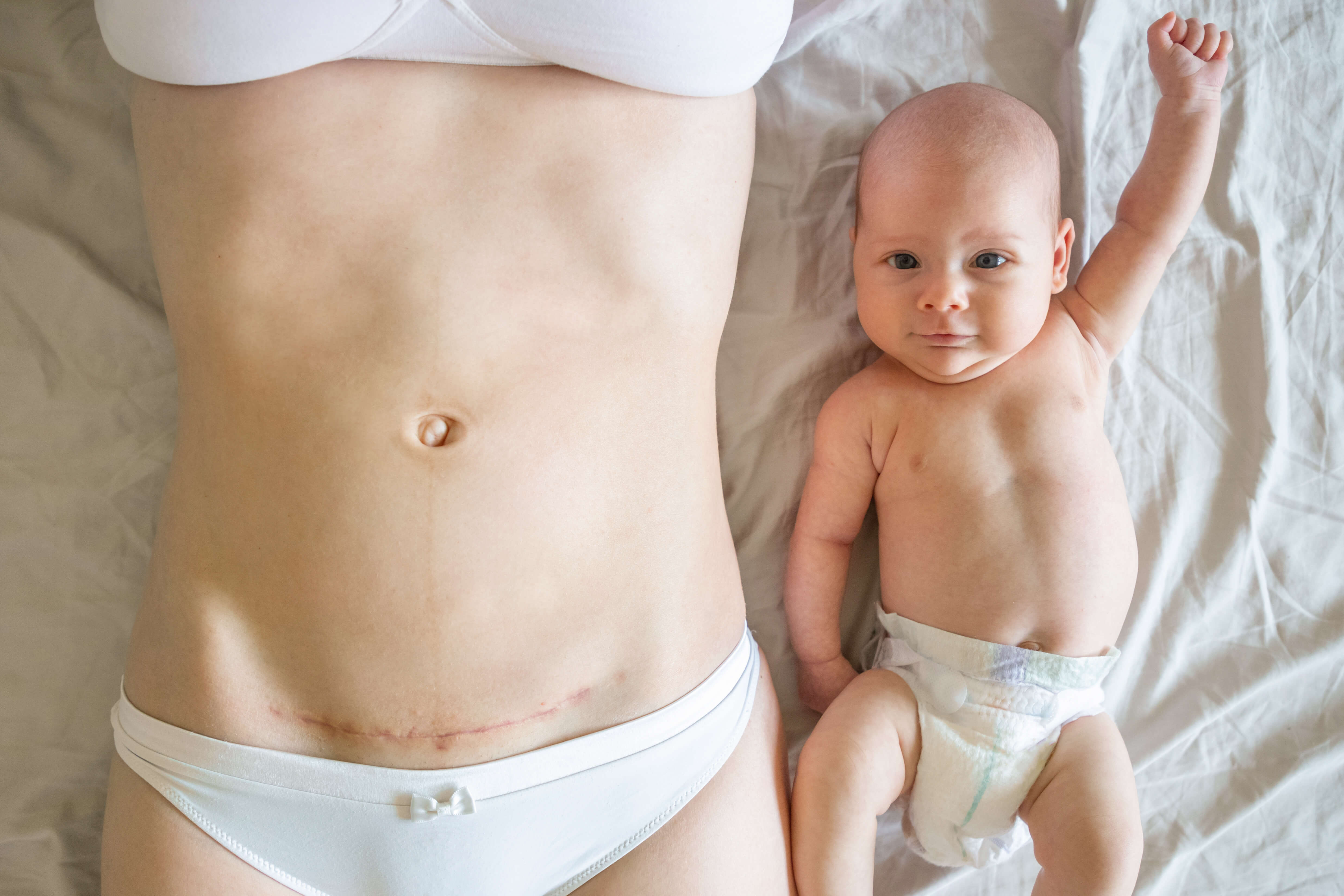
Modern obstetric care increasingly aims to reduce deliverycomplications, making caesarean sections (CS) one of the most common surgeriesworldwide—about 20% of births in France and over 40% in countries like Brazil.While CS has saved many lives, it can also have short- and long-term effects,including a higher risk of chronic diseases in children, such as inflammatorybowel disease, obesity and allergies. Disruptions in early host–microbeinteractions can impair immune system maturation, leading to gut barrierdysfunction and inflammation. Because CS alters the natural transmission ofmaternal microbiota, it may have important consequences for infant microbiotadevelopment and disease risk later in life.
Study Aim
The main goal of this project is to decipher the role of theearly-life gut microbiota on later-life risks of emerging chronic diseases,including allergy, taking into account CS-related effects as an example ofaltered vertical microbiota trans-mission.
Scientific Approach
Murine model of CS delivery and germ-free animals with afterfaecal transfer of microbiota from mice born by either CS or vaginal delivery.
Expected Outcomes
By using controlled interventions, this project will clarify the causal links between early-life microbiota, disrupted vertical transmission in caesarean delivery, and long-term effects on immune and gut development,while also pinpointing safe, beneficial microorganisms for probiotic use. The findings will further guide the design of dietary preventive strategies,enabling targeted prebiotic or symbiotic interventions to promote healthy microbiota development.
Latest Results