
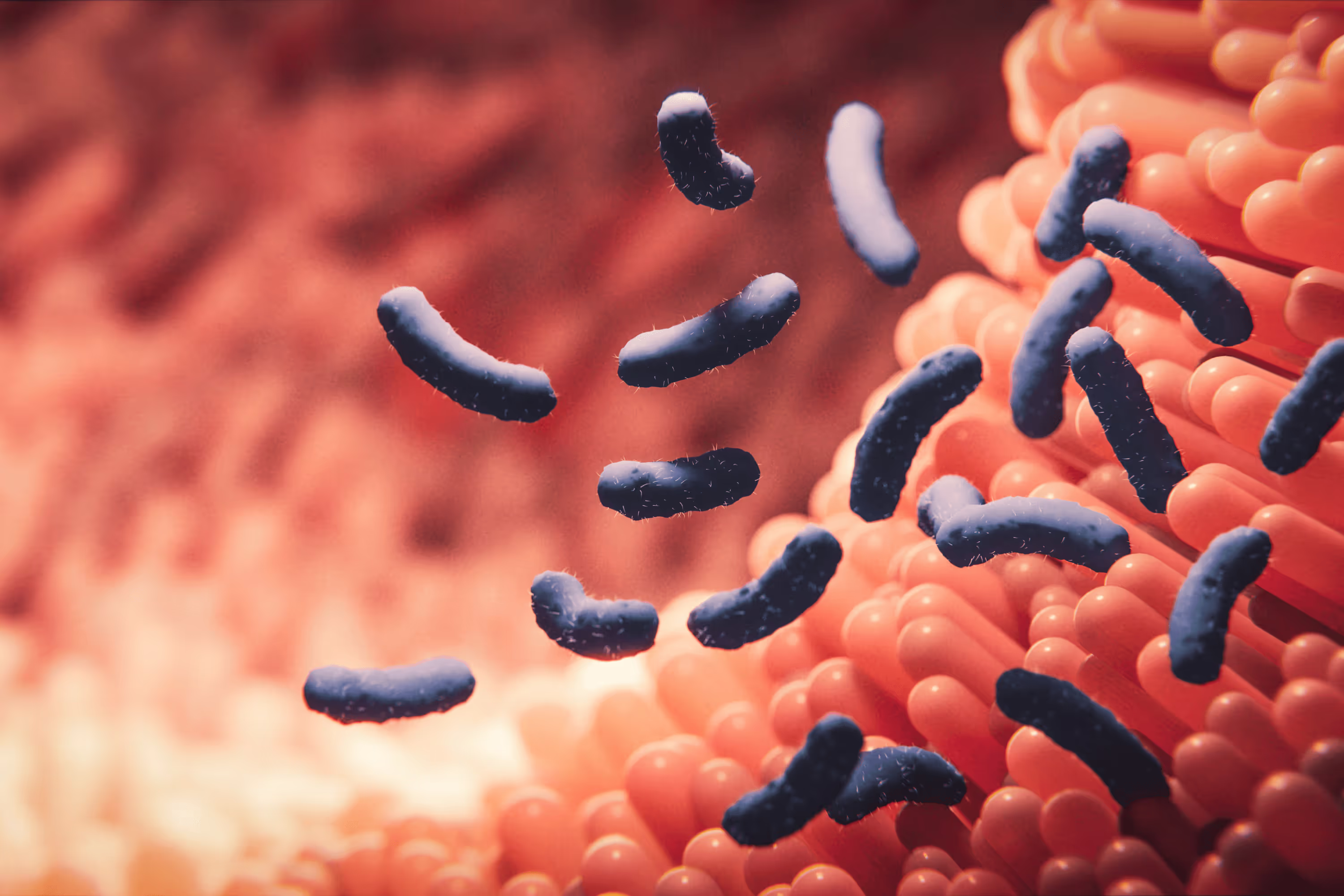
The microbiome of Inflammatory Bowel Diseases (IBD) is characterized by expansion of ‘aggressive’ Proteobacteria and E. coli, relative to depleted ‘protective’ Firmicutes. E. coli strains that adhere to and invade epithelial cells and replicate in macrophages in vitro (AIEC), have been isolated from 21-63% of patients with Crohn’s disease (CD). However, as E.coli, including AIEC, is also linked to protective immunity, it is considered a symbiont and opportunistic pathogen.
Study Aim
To determine the relationship of E. coli strains present in feces and vaginal smears of mothers with and without IBD in the last trimester to E. coli strains in infant feces at 7 days and pre-weaning.
Scientific Approach
Leveraging biological samples and clinical meta data from an existing prospective longitudinal cohort “MECONIUM”.
Expected Outcomes
The findings of this study will shed light on how maternal and infant E. coli strains are related in the context of maternal IBD, and how these patterns relate to intestinal inflammation. These findings could potentially support earlier identification of infants at risk for gut inflammation and guide microbiota-based strategies to improve early-life gut health, especially in families affected by IBD.